
Relaxer Touch-Up Gallery
$$MultiPurposeText$$
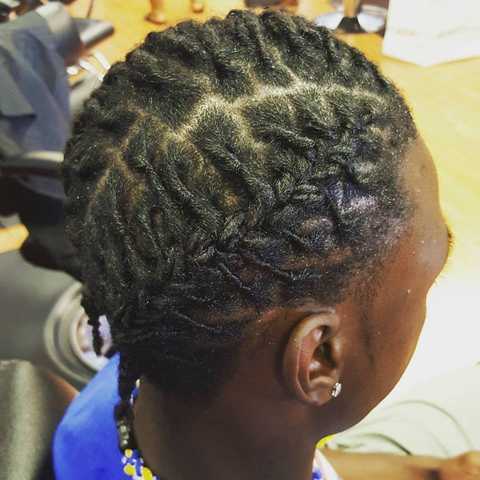
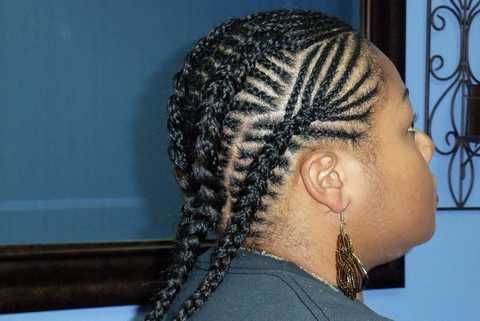
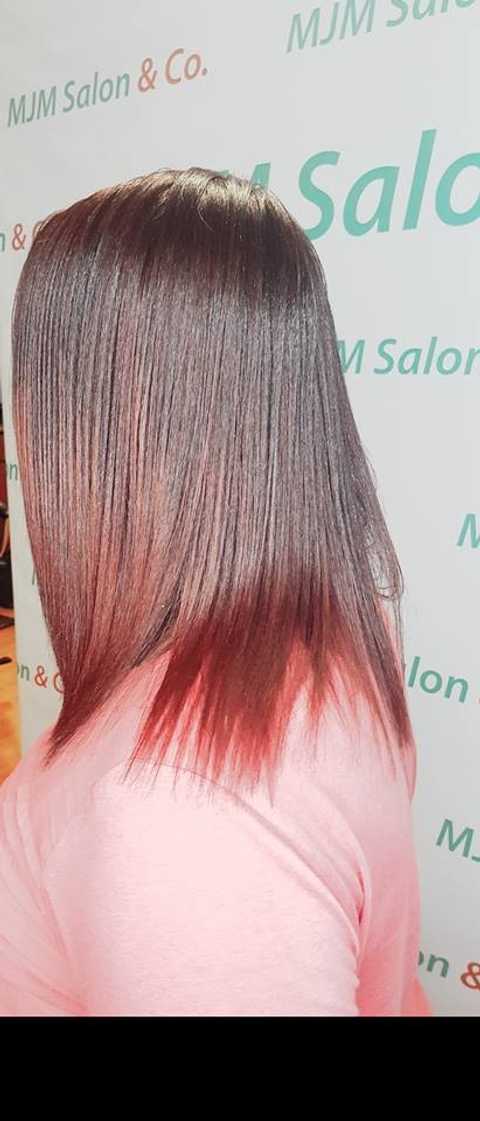
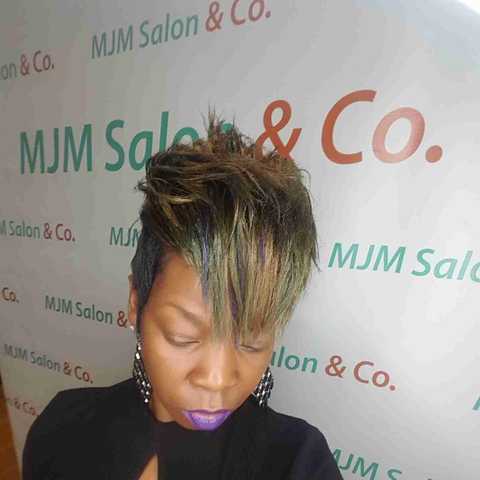
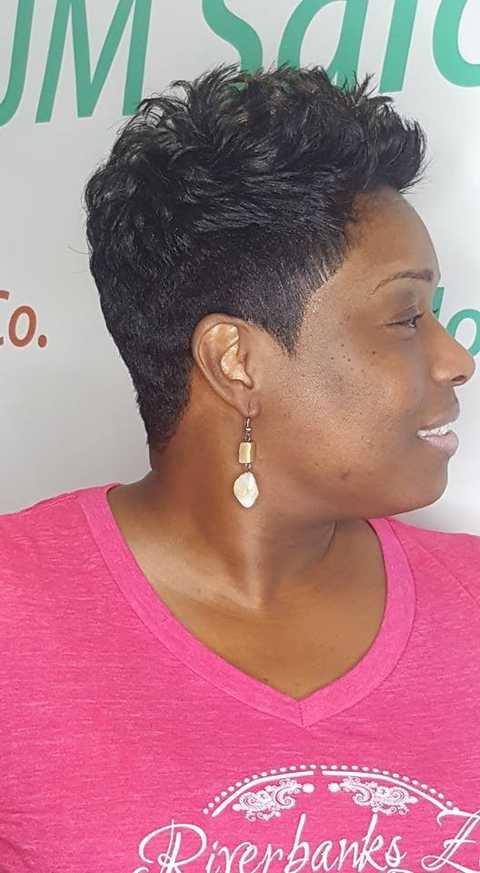
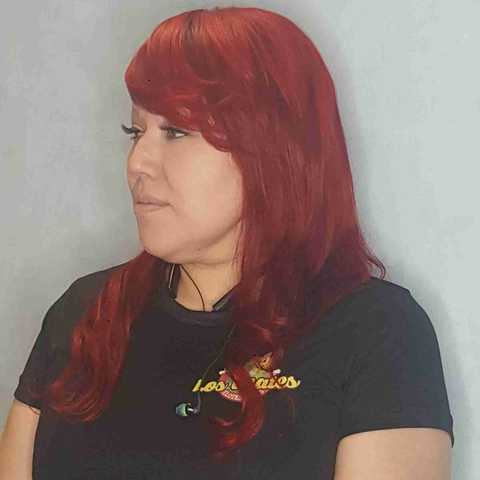
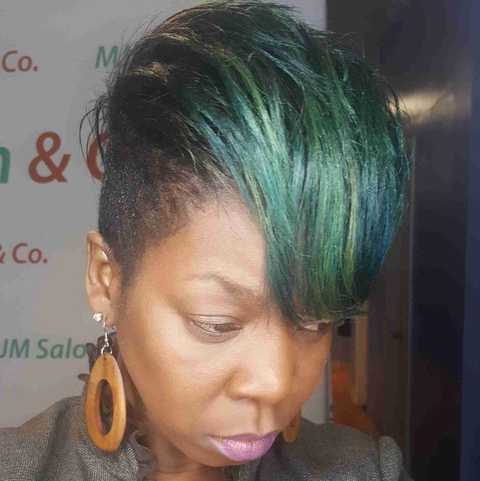
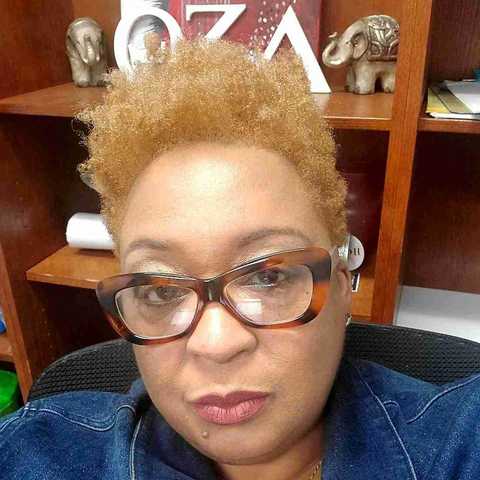
See examples of our Relaxer Touch-Up work and results.










What Our Clients Say
$$MultiPurposeText$$
Read testimonials from our satisfied customers

My son and I are highly satisfied with his stylist, Shana! She does an awesome job with hi...more

She is a beautiful person that can do beautiful things with your hair. Very professional a...more

As always, Shana does a great job with my hair. She started my Loc journey and I'm almost ...more

Very professional and good energy! Shana does a great job every single time. I would highl...more

I’ve been going to Shana for over two years now and she never disappoints. My braids alway...more

Very professional,grown and laid back atmosphere

Frequently Asked Questions
Get answers to common questions about Relaxer Touch-Up.
Most clients schedule touch-ups every 6–8 weeks depending on growth rate and hair texture. Our stylists recommend personalized timing during consultation to avoid over-processing while keeping roots smooth and consistent with previously relaxed lengths.
When performed correctly by a licensed stylist, a root-only Relaxer Touch-Up minimizes overlap and reduces breakage risk. We assess hair strength and use appropriate formulas to protect previously relaxed lengths and maintain healthy integrity.
Appointment length varies by hair density, length, and desired finish, but most touch-ups take between 60 and 90 minutes. Time includes consultation, application, processing, neutralizing, conditioning, and a light style or blowout.
We generally recommend coloring before relaxer services, or waiting at least two weeks after a touch-up to color. Discuss your color history with your stylist so we can plan safe timing and choose products that minimize damage.
Follow a sulfate-free regimen, deep condition weekly, and use heat protectant when styling. Avoid excessive heat and chemical services for several weeks; schedule regular trims and follow stylist-recommended protein or moisture treatments to maintain strength and smoothness.
Relaxer Touch-Ups can suit many hair types, but not every texture or condition is ideal. We evaluate history, damage, and elasticity in consultation to recommend the safest approach, or alternatives like smoothing treatments or straightening styles.